Transporting a hamper that feels like it was just plucked from a farmer’s market can be a delicate dance. Whether you’re a corporate gifting specialist, a family celebrating a Champagne gifts milestone, or a culinary enthusiast sending a surprise, the question is simple yet crucial: how to ensure hamper freshness during transport? The answer lies in mastering temperature control, smart packaging, and a dash of logistical finesse. Let’s unpack the ingredients for a perfectly fresh delivery.
Understanding the Challenges of Transporting Hamper Freshness
The Freshness Equation: Temperature, Time, and Handling
Freshness is a three‑point equation.
Temperature – Even a slight rise can set bacteria on a growth spurt. Time – The longer the journey, the greater the chance of spoilage. Handling – Rough handling can crush delicate items, compromising texture and appearance. When these factors collide, even the most carefully curated hamper can lose its luster.Common Pitfalls that Spoil the Experience
- Leaving items at room temperature for too long before packaging. Using inadequate insulation that fails to keep cool temperatures steady. Packing items loosely, allowing them to shift and collide. Failing to account for transit delays, especially during peak seasons.
Avoiding these missteps is the first step toward ensuring hamper freshness during transport.
Choosing the Right Packaging for Freshness
Insulation Options: Foam, Styrofoam, and Beyond
- Closed‑cell foam offers excellent thermal resistance but isn’t eco‑friendly. Styrofoam is lightweight and inexpensive but raises environmental concerns. Phase‑change materials (PCM) maintain a set temperature range, though they can be pricier. Biodegradable insulation—made from rice husks or recycled paper—provides a green alternative without compromising performance.
When selecting, consider the climate, transport duration, and the hamper’s contents.
Airtight Seals and Ventilation
A good seal keeps air out, but some ventilation is essential to prevent condensation.
- Zip‑lock bags with vented seals work well for individual items. Sealed cartons with small vent holes allow moisture to escape while protecting the contents.
Balancing these features helps keep fruits crisp and cheeses firm.
Eco‑Friendly Choices
- Reusable silicone bags can replace single‑use plastics. Plant‑based packaging films degrade faster than conventional polymers. Compostable trays made from corn‑starch keep the hamper lightweight and sustainable.
Choosing greener options not only preserves freshness but also appeals to eco‑conscious recipients.
Preparing Your Hamper for the Journey
Portioning and Pre‑Cooling
Cutting foods into bite‑size portions reduces the surface area exposed to heat.
- Pre‑cool items in a refrigerator or blast‑freeze before packing. Use cold packs for perishable items like dairy or fresh herbs.
This step ensures that each item starts its journey as close to optimal temperature as possible.
Smart Layering Techniques
Think of the hamper like a sandwich: the base should be the most temperature‑sensitive.
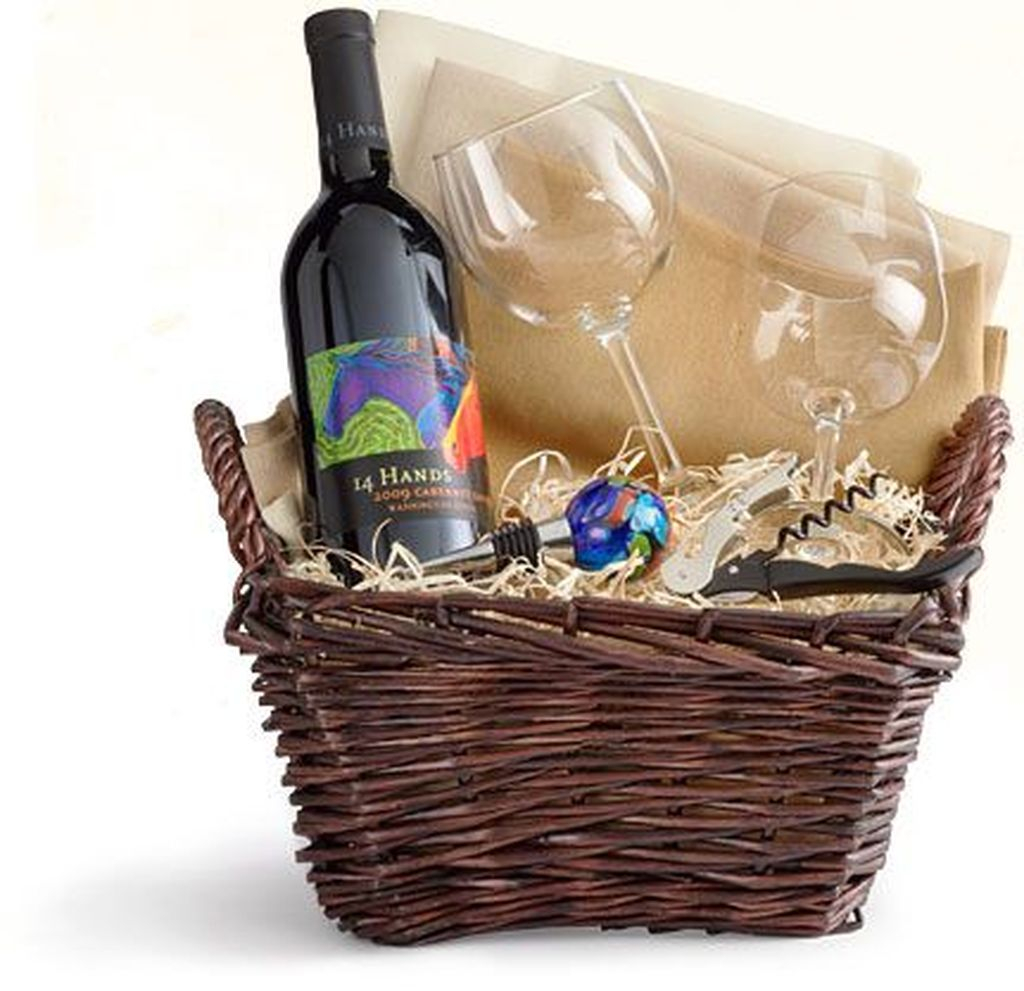
- Place ice packs at the bottom to keep the core cool. Wrap fragile items in parchment or bubble wrap to protect them from shocks. Top with non‑perishable goods to shield the delicate layers beneath.
Layering is akin to building a fortress; the stronger the base, the better the defense.
Protecting Perishables with Ice Packs
Ice packs are the unsung heroes of hamper transport.
- Use reusable gel packs that can be chilled and reused. Place them in insulated pockets to prevent direct contact with food, which can cause freezer burn. Replace or re‑cool ice packs if the journey exceeds 4–5 hours.
Remember, a well‑chilled hamper is like a well‑tuned instrument—every note (or bite) plays its part.
Transport Logistics: From Pick‑Up to Delivery
Timing is Everything: Best Days and Times
- Avoid peak traffic hours to reduce transit time. Schedule deliveries for early mornings or late evenings when roads are less congested. Plan for weather delays—rain or snow can add precious minutes to the journey.
A well‑timed delivery keeps the hamper’s temperature steady.
Vehicle Conditions: Coolers, Refrigerated Vans, and Home Delivery
- Standard coolers work for short trips but may struggle with longer distances. Refrigerated vans maintain a constant temperature but are costlier. Home delivery services often have temperature‑controlled containers; confirm this with the provider.
Choose the vehicle that matches the hamper’s sensitivity and the journey length.
Handling Protocols for Delivery Staff
- Train staff to handle hampers gently—a firm grip, no dropping. Use insulated tote bags for the final handoff. Communicate the importance of freshness so staff prioritize careful handling.
A well‑trained delivery team is the final line of defense against spoilage.
Post‑Delivery Care: Maintaining Freshness at the Destination
Quick Unpacking Rituals
- Unpack immediately upon arrival. Separate items by temperature zone: keep cold items cold, warm items warm. Avoid leaving the hamper in a warm environment—even a short time can ruin freshness.
Act fast, and your hamper will feel like a fresh‑from‑the‑farm gift.
Storage Tips for Different Foods
- Cheeses: Store in a cheese drawer or wrapped in parchment paper. Fruits: Keep in a cool, dry place; avoid direct sunlight. Bakery items: Refrigerate or freeze if not consumed within 24 hours.
Tailoring storage to each item’s needs extends the hamper’s life.
When to Discard or Reheat
- Look for signs of spoilage: off odors, sliminess, or discoloration. Reheat only what’s safe—some items, like fresh herbs, lose flavor if heated. If in doubt, discard—it’s better to lose a single item than risk foodborne illness.
Safety first; freshness second.
A Few Final Tips and Tricks
- Use a thermometer to monitor the internal temperature of the hamper during transport. Label each item with a “best before” date to guide recipients. Add a small note reminding the recipient to keep the hamper in a cool place. Consider a “freshness guarantee”—a small promise that can set you apart.
> “Freshness is not a luxury; it’s a responsibility.” – Anonymous Foodie
Remember, ensuring hamper freshness during transport Byron Bay products is like keeping a garden in bloom: it requires planning, care, and a touch of artistry. By mastering temperature control, smart packaging, and meticulous logistics, you’ll deliver a hamper that tastes as fresh as the day it was created.
Take the first step today—review your packaging, test your ice packs, and schedule your next delivery with confidence. Your recipients will thank you, and your reputation for freshness will grow, one perfectly crisp bite at a time.