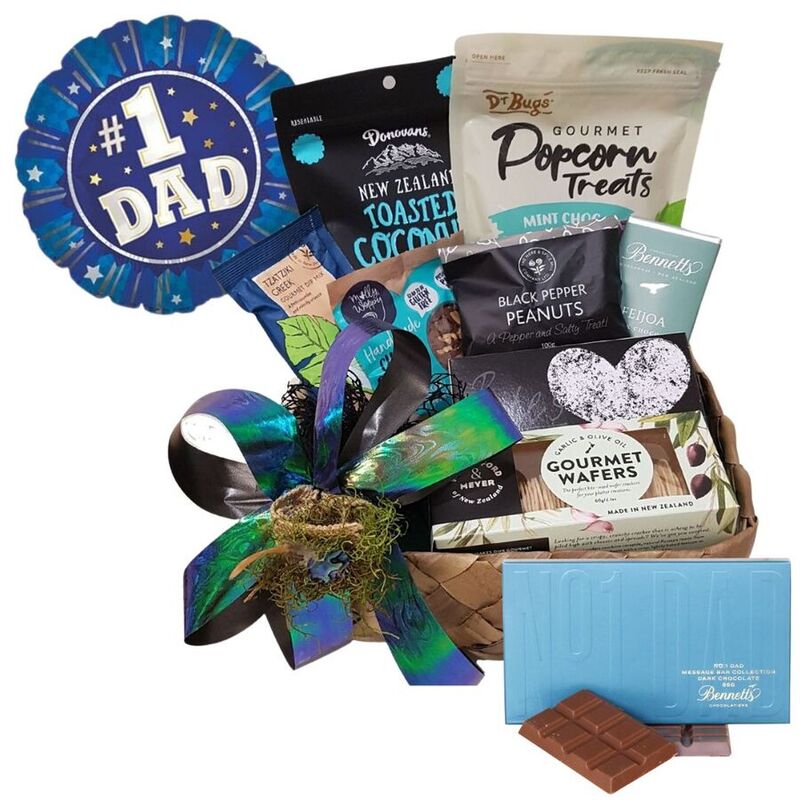
The annual cycle of gift-giving for fathers often feels less like a celebration and more like an archaeological dig—you https://www.protopage.com/boisetrkzh#Bookmarks are digging through years of vague assumptions, leftover novelty items, and the deep pool of "I bought him this last year, so he can’t get it again" guilt. We face a universal modern dilemma: how do you give a gift that says, "I see you," without knowing his deepest desires or having budget to buy them? It is a problem felt by nearly every adult child who has ever been asked, "What should I get your dad?" The sheer volume of mediocre options on the market makes solving the problem of generic father's day gifts feel like an impossible mission.
But what if we stopped thinking about objects and started thinking about observation? A truly thoughtful gift isn't a material thing; it's evidence that you pay attention—the kind of attention that recalls his favorite obscure brand of coffee, the specific podcast he recommends, or the quiet way he winds down after work. This year, let’s treat the search not like shopping, but like solving a delightful relationship puzzle.
Shifting Focus from Things to Experiences
The most common mistake we make when buying Father's Day gifts is assuming that value equals monetary cost. We think "expensive" means "thoughtful." In reality, solving the problem of generic father's day gifts requires a complete pivot: focus on time and memory. These intangible items are priceless because they require effort and coordination—the two things we often overlook when rushing to the mall.
Experiences serve as emotional anchors that last long after the wrapping paper is thrown away. Instead of another gadget he will lose in a drawer, consider gifting an activity. This could be tickets to a local museum exhibit he’s mentioned, passes for a brewery tour, or even a dedicated afternoon doing something you know he enjoys but rarely makes time for.
Think about it: What does your dad actually complain about? Is it the lack of uninterrupted quiet time? The inability to get to that new hiking trail because of childcare logistics? A gift certificate for "A Saturday Morning Block of Pure Time Together" can be infinitely more valuable than a portable speaker he already owns.
Digging Deep: How Observation Becomes Your Secret Weapon
If experiences are the destination, observation is the map. The secret weapon against generic gifts lies in becoming an anthropological student of your own father’s life. You need to move beyond his professional title or even his primary hobby and find the micro-interests.
For example, if he loves gardening but always seems stressed when doing it, perhaps the gift isn't more tools, but a high-quality ergonomic kneeling pad and a subscription to a niche botanical journal. These small details are the golden nuggets that prove you listen.
- The Soundtrack: Does he always seem nostalgic? Consider curating a playlist of songs from his youth or buying him an audiobook version of a book genre he loves. The Routine: What is the moment of transition in his day—the first cup of coffee, the commute home, the slow read before bed? The gift should enhance that specific ritual.
I remember once trying to buy my father a "manly" gift set: a fancy watch, an expensive wallet, and a tie clip. It was completely generic. He barely glanced at it before saying, "Thanks," and then asking if I could just take him out for decent tacos instead. That moment taught me that the perfect gift isn't curated; it's responsive.
The Power of Consumables and Services
When material goods feel too risky or impersonal, pivot to consumable items or services. These categories are wonderful because they solve problems without creating clutter. They disappear after use, leaving only positive memories in their wake. This is a powerful way of solving the problem of generic father's day gifts.

Consider these types of non-physical gifts:
- Subscriptions: A gourmet coffee bean club, an international snack box, or a specialized magazine delivery. Service Vouchers: Gift certificates for car detailing, a professional deep clean of his workshop, or even a monthly meal prep service for busy weeks. Skills Access: Paying for him to take a class—whether it's mixology, woodworking, or basic coding—gives him an intellectual challenge and a new skill set.
As the great writer Maya Angelou observed, "You will most of all remember not the words of my mouth; but the tone of my heart." For gift-giving, the tone is care, attention, and specificity.
Crafting Meaningful Moments: Building Lasting Memories Together
The ultimate act of appreciation isn't buying something for him; it’s spending time with him in a way that requires mutual effort. This brings us to the art of crafting an intentional experience. If you want to go beyond generic, plan activities where failure is acceptable and laughter is guaranteed.
Instead of simply taking him out, structure the outing around a shared goal. Maybe you are both tasked with building IKEA furniture (guaranteed bonding time). Perhaps you are tackling a hyper-local scavenger hunt using only historical facts about your neighborhood. The key ingredient here is active participation. It requires you to be present and engaged, which itself is the greatest gift of all.
What if, instead of asking "What do you want?", we asked, "What would make you smile that hasn't happened in a while?" This shift in perspective can unlock ideas far more profound than any retail suggestion box could offer.
Designing Your Ongoing Connection After Father’s Day
The effort invested into solving the problem of generic father's day gifts shouldn't be confined to one annual date on the calendar. The goal is not a single perfect purchase; it is the establishment of an ongoing ritual of recognition. How can you weave thoughtful, non-material appreciation into your regular life?
Think of your relationship with him like tending a garden: it requires consistent attention, weeding Have a peek here out old resentments or assumptions, and nourishing specific areas of growth. A simple weekly phone call dedicated solely to hearing about his interests (and not just "how was work?") is an act of maintenance that pays dividends year-round.
Next time the gift panic sets in, remember this principle: The greatest gifts are those that reveal knowledge you already possess. Use your observation skills. Be present. And most importantly, make the process of giving as thoughtful as the item itself.